
In an era where technology continuously reshapes our daily lives and industries, Virtual Reality (VR) and Augmented Reality (AR) stand out as transformative forces.
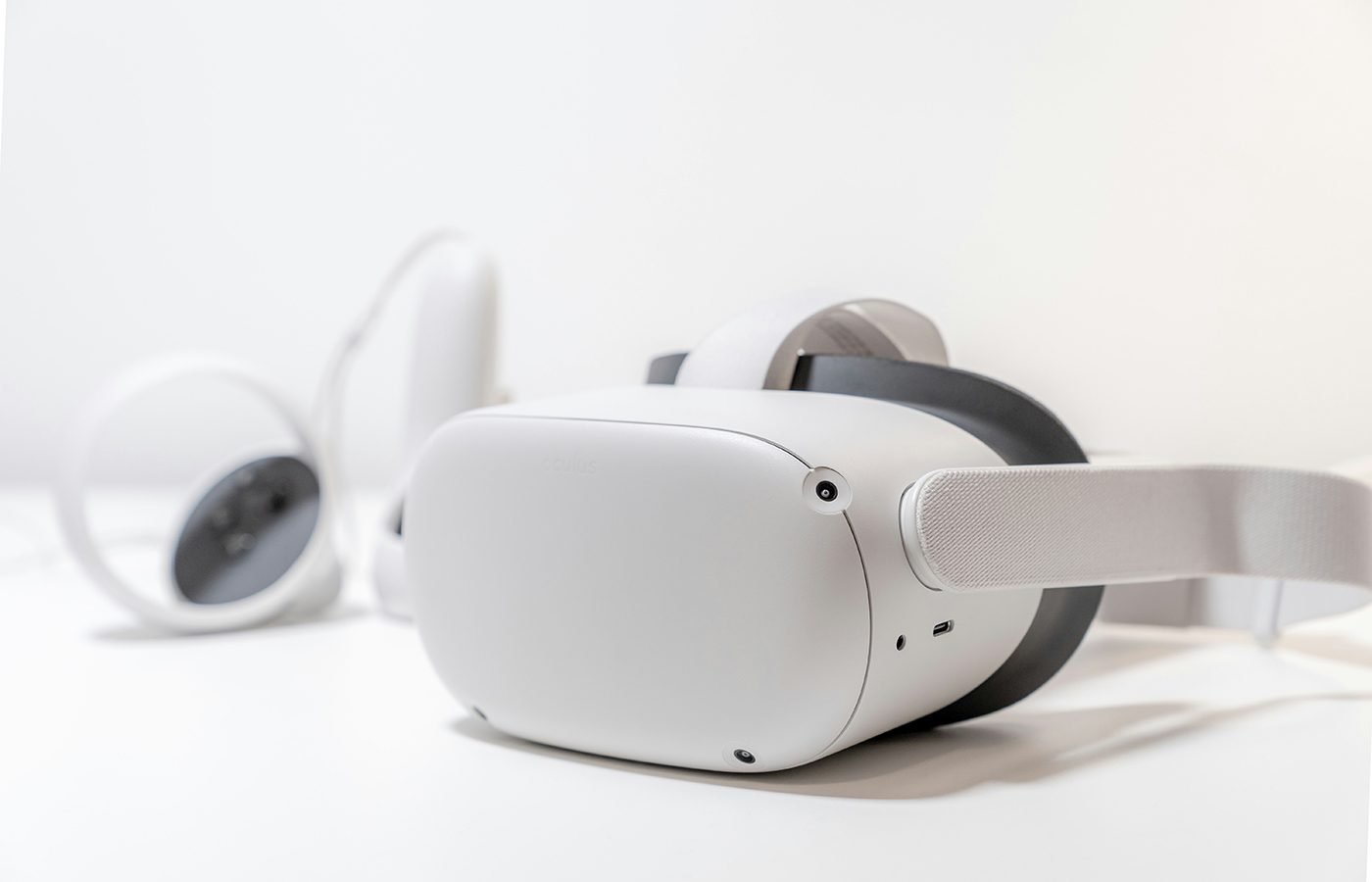
VR immerses users in a completely virtual environment, crafted in exquisite detail to mimic real-world or fantastical settings.
Users can explore these spaces as if they were physically present, moving beyond the confines of their immediate surroundings. AR, on the other hand, layers digital information atop the physical world, enriching our perception of reality with virtual overlays that provide additional context, information, or visual enhancements.
These technologies, once relegated to the realms of gaming and entertainment, are now making substantial inroads into the real estate sector, promising to revolutionize the way properties are marketed, viewed, and sold.
Real estate professionals are harnessing the power of VR to offer immersive virtual tours of properties, allowing potential buyers to explore homes and commercial spaces from anywhere in the world.
Similarly, AR is being used to augment physical property viewings with virtual furniture, decor, or even structural changes, helping buyers visualize spaces as their own before making a purchase.
The integration of VR and AR into real estate is not just a novel innovation; it represents a seismic shift in how properties are presented and transactions are conducted.
This technological evolution offers the potential to save time, enhance buyer engagement, and ultimately, boost sales by providing experiences that are both informative and captivating.
As we delve deeper into the implications of VR and AR for the real estate industry, it becomes clear that these technologies are not merely add-ons to the traditional property viewing experience but are set to redefine it entirely.

The Evolution of Property Viewings
The journey of buying or selling a property has always been a cornerstone of human civilization, evolving alongside technological and societal advancements.
Traditionally, the process of property viewings and sales was a strictly physical endeavor, requiring potential buyers to visit each property in person to assess its suitability.
This method, while effective, was time-consuming and limited by geographical constraints, making the search for the perfect home or investment property a daunting task.
As the digital age dawned, the real estate industry witnessed a significant transformation with the advent of digital listings.
Websites and online platforms became the new frontiers, offering buyers the convenience of browsing properties from the comfort of their homes.
High-quality photographs, detailed descriptions, and even video tours provided a richer understanding of properties before setting foot inside them.
However, these digital listings, despite their advancements, came with limitations. Flat images and videos could not fully capture the essence of a space, leaving room for doubt and unanswered questions about the feel, layout, and potential of a property.
Enter Virtual Reality (VR) and Augmented Reality (AR), technologies poised to revolutionize the real estate industry further.
VR offers immersive, 360-degree virtual tours, allowing prospective buyers to explore properties in detail without physical constraints.
This technology not only saves time but also opens up the market to distant or international buyers, making property exploration accessible to a broader audience.
On the other hand, AR enhances the real-world environment by overlaying digital information onto physical spaces, offering potential buyers the ability to visualize modifications or understand complex property features in real-time during physical visits.
The introduction of VR and AR into real estate marks the next evolutionary step in property viewings and sales.
These technologies bridge the gap between digital listings’ convenience and the desire for a comprehensive, immersive understanding of a property.
As we delve deeper into their applications, benefits, and potential, it becomes clear that VR and AR are not just fleeting trends but foundational elements of the future real estate landscape.

Virtual Reality (VR) in Real Estate
Virtual Reality (VR) technology, once a figment of science fiction, has now become an integral tool in various industries, with real estate leading the charge in its practical applications.
VR immerses users in a digitally constructed environment that simulates the physical world, allowing for a 360-degree exploration of spaces without the constraints of physical presence.
This immersive technology is revolutionizing the way properties are showcased, viewed, and sold in the real estate sector.
Benefits of VR Property Tours
Time-Saving for Both Buyers and Agents: Traditional property viewings can be time-consuming, requiring both buyers and agents to allocate significant portions of their day to visit just a handful of properties. VR property tours eliminate the need for physical travel, enabling potential buyers to visit dozens of properties from the comfort of their own homes in the time it would take to physically inspect one. This efficiency not only saves time but also allows agents to cater to more clients simultaneously.
Accessibility for Distant or International Buyers: The global nature of today’s real estate market means that buyers often reside in different cities or even countries from where they wish to purchase property. VR breaks down geographical barriers, offering distant and international buyers the opportunity to thoroughly explore properties without the need for expensive and time-consuming travel. This accessibility widens the potential buyer pool for properties and facilitates a more global marketplace.
Enhanced Understanding of Property Layout and Potential: One of the challenges with traditional and even digital photo-based listings is that they can fail to convey the true sense of a property’s layout, size, and potential. VR tours offer a spatial understanding that photos and videos cannot match, allowing buyers to experience the flow of a property, understand spatial relationships, and envision themselves living or working in the space. This level of immersion can significantly impact a buyer’s decision-making process.
Case Studies or Examples of Real Estate Companies Successfully Using VR
Numerous real estate companies have already recognized the value of VR and are leveraging it to enhance their sales processes and customer experiences.
For instance, luxury property developers have been early adopters, offering high-end buyers the chance to explore multimillion-dollar properties in exquisite detail from anywhere in the world.
Similarly, commercial real estate firms use VR to help businesses select office spaces that best suit their needs, allowing them to customize and visualize office layouts before making a decision.
One notable example is Sotheby’s International Realty, which has integrated VR tours into their listings, providing an immersive viewing experience that has not only increased engagement on their platform but also led to quicker sales cycles for their high-end properties.
Another example is Matterport, a technology service provider, which offers 3D spatial data and virtual tours for a variety of properties, enabling agents and sellers to create detailed virtual representations of their listings for prospective buyers to explore online.
These case studies underscore the transformative impact of VR in real estate, offering a glimpse into a future where property viewings are not bound by physical or geographical limitations.
As the technology continues to evolve and become more accessible, its role in real estate is set to expand, further enhancing the efficiency, accessibility, and understanding of property viewings and sales.
Augmented Reality (AR) in Real Estate
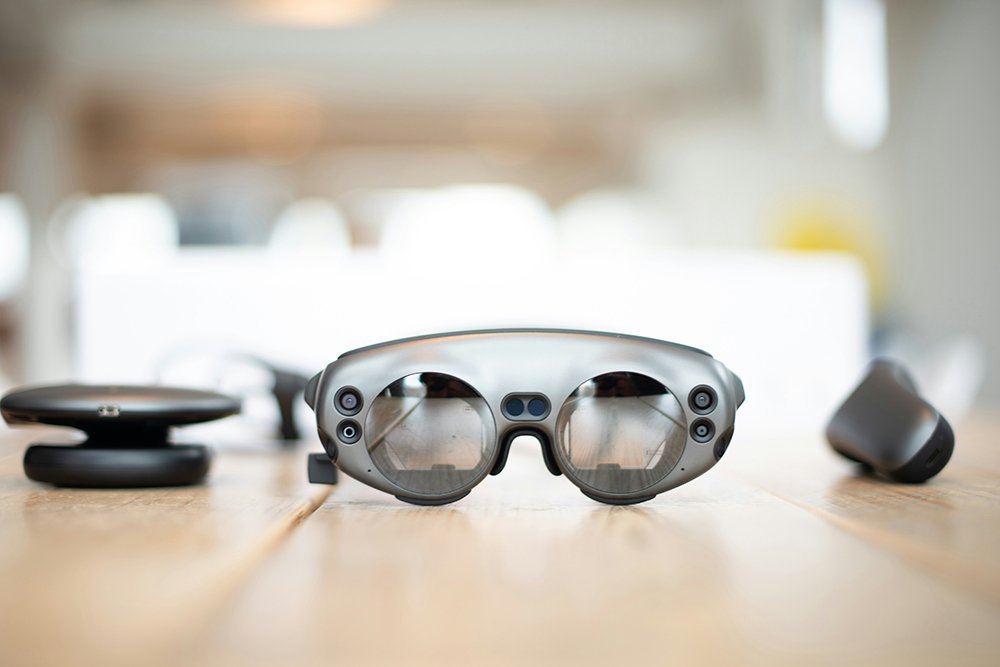
Augmented Reality (AR) stands as a distinctive counterpart to Virtual Reality (VR), offering its unique advantages in various sectors, including real estate.
Unlike VR, which immerses users in entirely virtual environments, AR enhances the real world by overlaying digital information onto it.
This blend of virtual and real elements opens up innovative avenues for real estate professionals to showcase properties and engage potential buyers.
The Benefits of AR in Real Estate
Overlaying Virtual Information on Physical Property Visits: AR technology allows potential buyers to receive interactive, digital information overlaid on the physical spaces they visit. Through AR, clients can see a property’s details—such as square footage or material finishes—simply by pointing their device at different parts of the space. This enriches the viewing experience, providing immediate access to detailed information that would otherwise require additional research.
Visualizing Property Modifications or Furniture Placements: One of the most compelling uses of AR in real estate is the ability for buyers to visualize changes to the property in real-time. This can range from simple modifications, like painting walls, to more complex renovations, such as removing walls or adding fixtures. Similarly, AR apps can help clients visualize how their furniture would fit into the space, significantly aiding in their decision-making process.
Enhancing Printed Marketing Materials with Interactive Digital Elements: AR can transform traditional real estate marketing materials, such as brochures and flyers, into interactive experiences. By scanning these printed materials with an AR-enabled device, potential buyers can view 3D models of properties, explore additional photos or videos, and even access virtual tours. This not only makes the information more engaging but also allows real estate professionals to convey a greater depth of information than what can be printed on paper.
Examples of AR Applications in Property Sales and Marketing
Several real estate companies and tech startups have already begun leveraging AR to create more engaging and informative experiences for buyers.
For instance, some real estate apps now offer AR features that enable users to view 3D models of properties overlaid onto their real-world surroundings, providing a sense of scale and context that 2D images cannot match.
Other applications allow users to point their smartphones at a building or development site to instantly view information about the property, including interior images, price listings, and more.
Moreover, AR is being used in showrooms and sales offices where potential buyers can use AR glasses or tablets to explore different configurations of development projects.
These immersive experiences not only help buyers make informed decisions but also offer them a memorable interaction with the property, even before it’s built.
As AR technology continues to evolve, its application in real estate is poised to become even more innovative, offering unprecedented ways for real estate professionals to market properties and for buyers to experience them.
Through the power of AR, the real estate industry is stepping into a future where the boundaries between the physical and digital worlds blur, enhancing the way people discover, visualize, and invest in properties.

Enhancing Buyer Engagement and Boosting Sales
The introduction of Virtual Reality (VR) and Augmented Reality (AR) technologies has heralded a new era of immersive experiences, fundamentally altering how properties are viewed, experienced, and sold.
These technologies are not just transforming the real estate industry; they’re revolutionizing it, offering unprecedented opportunities to enhance buyer engagement and significantly boost sales.
The Role of Immersive Experiences in Engaging Buyers
Immersive experiences created by VR and AR technologies have the power to captivate potential buyers by providing them with a detailed and interactive exploration of properties.
VR allows clients to tour a home or commercial space without physically being there, offering a comprehensive sense of the property’s layout, size, and design.
Similarly, AR enhances physical property visits by overlaying digital information, enabling buyers to envision potential changes and personalize the space to their taste.
These immersive experiences are not just convenient; they’re engaging, encouraging buyers to spend more time exploring and connecting with the property on a deeper level.
Contributing to Informed Decision-Making and Increased Buyer Confidence
By offering a more interactive and engaging way to view properties, VR and AR technologies help potential buyers make more informed decisions.
Buyers can explore various aspects of a property at their own pace, revisit it multiple times virtually, and gain a better understanding of the space without the pressure of a one-time visit.
This thorough exploration aids buyers in visualizing themselves living or working in the space, significantly increasing their confidence in their purchase decision.
Moreover, the ability to visualize modifications and see the potential of a property through AR means buyers can make decisions based not just on the current state of the property, but also on its potential to be transformed into their ideal space.
Speeding Up the Sales Process and Boosting Sales Figures
The efficiency and convenience provided by VR and AR technologies can significantly speed up the sales process.
By eliminating the need for multiple physical viewings and allowing distant or international buyers to explore properties virtually, real estate agents can cater to a wider audience more effectively.
This not only saves time for both buyers and agents but also broadens the market, potentially increasing the number of interested buyers. The engaging and informative nature of these technologies can lead to quicker decision-making, reducing the time properties spend on the market.
Furthermore, the novel and innovative experience of VR and AR can differentiate a property listing, making it stand out in a crowded market.
Properties marketed with these technologies can attract more interest, leading to higher engagement, more competitive offers, and ultimately, an increase in sales figures.
As VR and AR technologies become more widespread and accessible, their role in enhancing buyer engagement, informed decision-making, and boosting sales in the real estate industry is set to grow, marking a significant shift towards a more immersive and efficient future in property sales.

Future Trends and Challenges
As Virtual Reality (VR) and Augmented Reality (AR) technologies continue to mature, their potential to reshape the real estate landscape grows increasingly apparent.
However, the journey toward widespread adoption is not without its hurdles.
Lets explore the promising future trends of VR and AR in real estate, alongside the challenges that must be navigated and the critical balance between technological advancement and the indispensable human touch in sales.
Potential Future Developments in VR and AR for Real Estate
The future of VR and AR in real estate looks bright, with innovations poised to offer even more immersive and interactive experiences.
For instance, the integration of Artificial Intelligence (AI) with VR and AR could lead to personalized virtual tours, where the experience adapts in real-time based on the viewer’s preferences and reactions.
Imagine VR tours that automatically highlight features similar to those a buyer has shown interest in, or AR applications that suggest real-time property modifications tailored to the buyer’s taste.
Additionally, as VR and AR technologies become more sophisticated, we can expect them to facilitate not just the viewing of current properties but also the visualization of future developments.
Buyers could explore not only existing spaces but also fully realized versions of projects still under construction, providing a clearer vision of their investment’s potential outcome.
Challenges Facing Widespread Adoption
Despite the promising advancements, several challenges could slow the widespread adoption of VR and AR technologies in real estate:
Technology Costs: The initial setup and ongoing development costs for VR and AR technologies can be significant. While larger real estate firms may easily absorb these costs, smaller agencies might find them prohibitive.
User Adaptation: The effectiveness of VR and AR technologies depends largely on the willingness of both real estate professionals and buyers to adopt new ways of viewing and interacting with properties. Some users may find the transition to digital platforms challenging or lack the necessary equipment to fully engage with these technologies.
Technical Limitations and Accessibility: High-quality VR and AR experiences require robust internet connections and advanced hardware, which may not be accessible to all potential users. Additionally, the quality of virtual representations must continually improve to maintain realism and engagement.
Balancing Technology with Personal Touch in Sales
While VR and AR offer exciting opportunities to enhance the real estate buying experience, it’s crucial not to lose sight of the personal touch that plays a fundamental role in sales.
Real estate is not just about properties; it’s about people and their dreams of finding the perfect home or investment. The best real estate professionals understand the importance of empathy, negotiation, and personal connection in closing sales.
Therefore, as the industry leans into these technological advancements, there must be a concerted effort to integrate VR and AR tools in a way that complements the human element of real estate transactions.
Technology should be used as a tool to enhance personal interactions, not replace them.
By maintaining this balance, the real estate industry can harness the full potential of VR and AR technologies to create more engaging, efficient, and successful sales experiences.
As we look to the future, the integration of VR and AR in real estate promises to not only transform how properties are marketed and sold but also redefine the buying experience, making it more immersive, informative, and personalized than ever before.
However, navigating the challenges of adoption and ensuring a harmonious blend of technology and personal touch will be key to realizing this potential.

Conclusion
The journey through the transformative potential of Virtual Reality (VR) and Augmented Reality (AR) technologies in the real estate sector reveals a future brimming with possibilities.
These innovations promise not just an evolution, but a revolution in how properties are viewed, experienced, and sold. By offering immersive, interactive experiences, VR and AR have the power to enhance buyer engagement, streamline the sales process, and ultimately, transform the real estate landscape.
The benefits of these technologies are manifold. They offer time-saving conveniences for buyers and agents alike, provide distant or international buyers with accessible viewing options, and present properties in a manner that was previously unimaginable.
Through VR, potential buyers can traverse the globe in their quest for the perfect property without leaving their homes. Similarly, AR allows buyers to overlay their visions onto the physical world, personalizing their property viewing experience in real-time.
Yet, as we stand on the cusp of this new era, it’s imperative for real estate professionals to embrace these technological advancements.
The integration of VR and AR into the real estate toolkit is not merely an option; it’s a necessity for those looking to stay competitive in a rapidly evolving market.
Adopting these technologies can significantly enhance the way properties are marketed, making listings stand out and capturing the imaginations of potential buyers in ways previously thought impossible.
However, as we navigate this shift, it’s crucial to remember the importance of maintaining a balance between technology and the personal touch that lies at the heart of every real estate transaction.
Technology should serve as an enhancer, not a replacement, for the human connections that drive the industry.
The future of real estate lies in leveraging VR and AR to complement and amplify the personal service and expertise that real estate professionals provide.
As we look forward to the future of real estate viewings and sales, it’s clear that VR and AR technologies will play a pivotal role in shaping this landscape.
By embracing these tools, real estate professionals can offer unparalleled property experiences, making the process of buying and selling not just more efficient, but more engaging and rewarding for everyone involved. The future is here, and it’s virtual, augmented, and incredibly exciting.
 Real Estate Marketing Ideas to Check Out